Raw material and mass preparation
It all starts with clay. It passes through several crushing and grinding stages down to 0.5 mm: the finer the grind, the more uniform the mass and the denser the tile.
How Kazakh clay becomes tile that will stand for decades: eight stages, one fire and a laboratory alongside.
 Visualisation
Clinker today, tomorrow and always
It all starts with clay. It passes through several crushing and grinding stages down to 0.5 mm: the finer the grind, the more uniform the mass and the denser the tile.
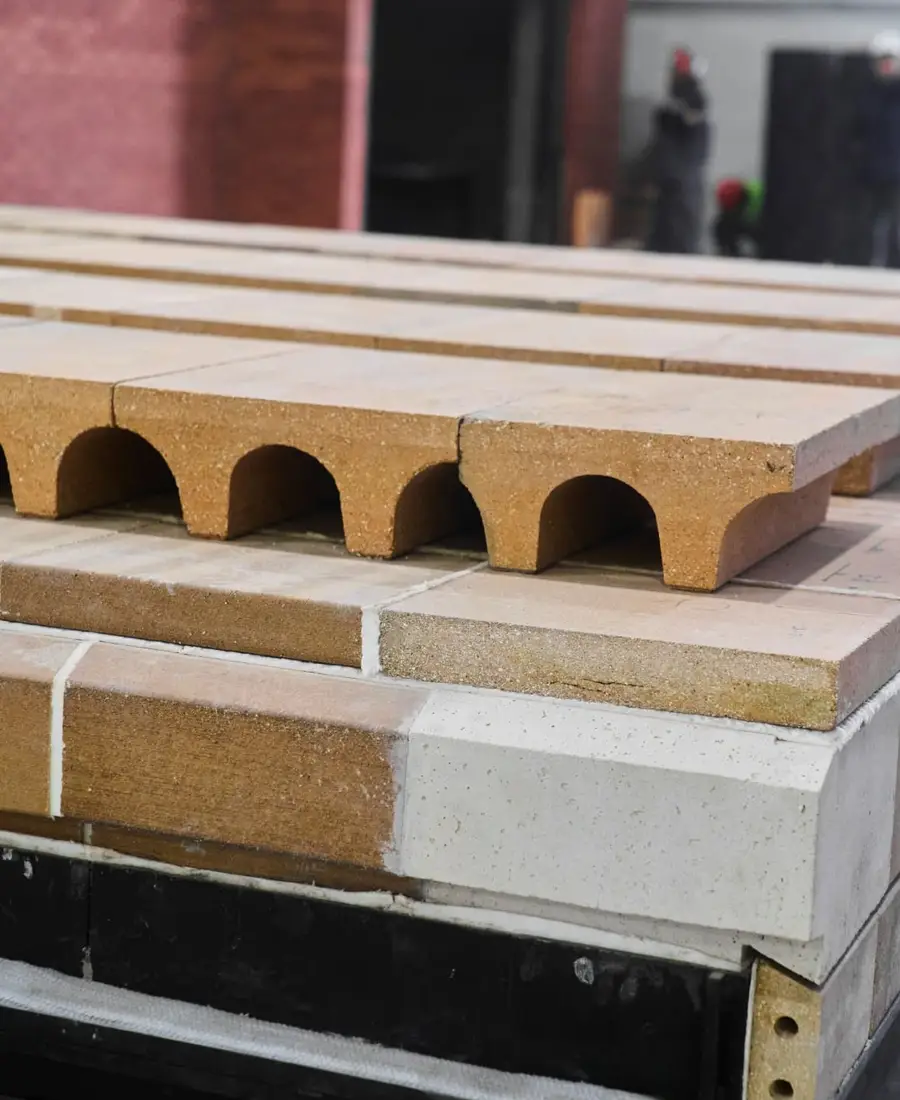
The blank is formed on Plinfa and Ritter Morando screw extruders. Extrusion drives the air out of the clay, densifies the material and keeps the geometry exact. That is where the strength and durability of the finished tile come from.
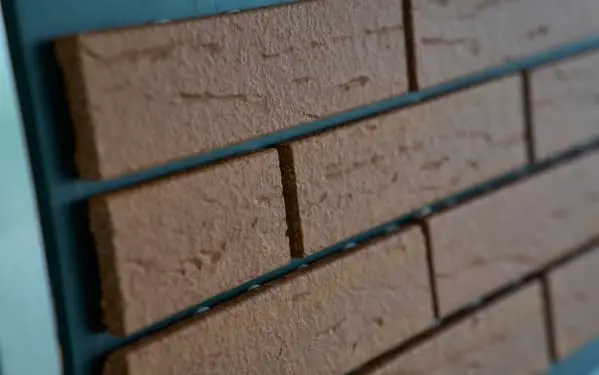
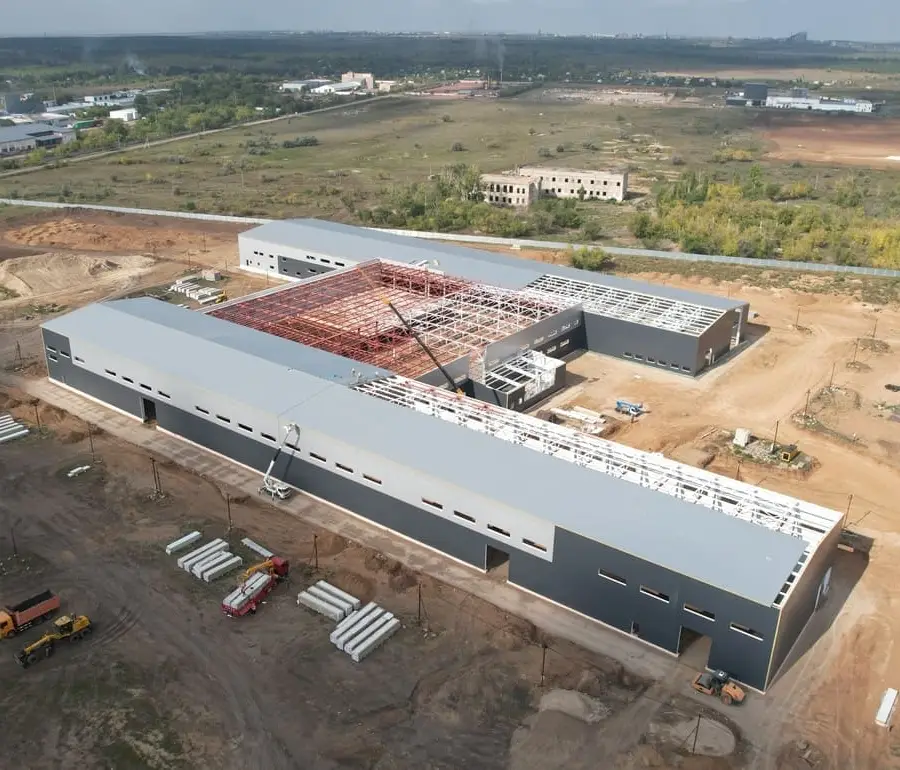
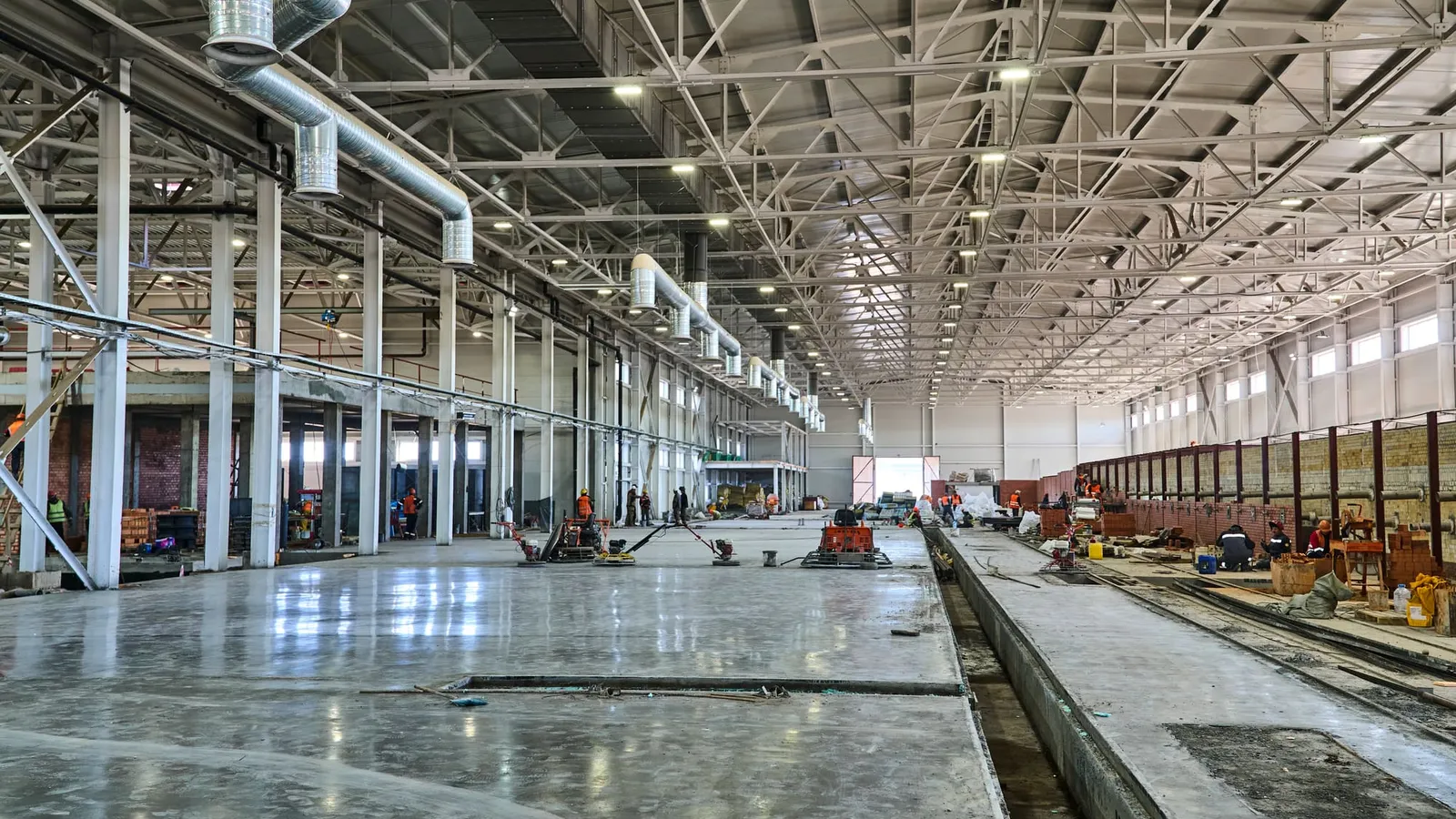
Raw tiles dry in chambers where warm air is reused to save gas. Then comes the natural-gas tunnel kiln at 1100–1300 °C. In flash firing the flame itself paints soft colour transitions. The Block A kiln is built and equipment installation is under way.
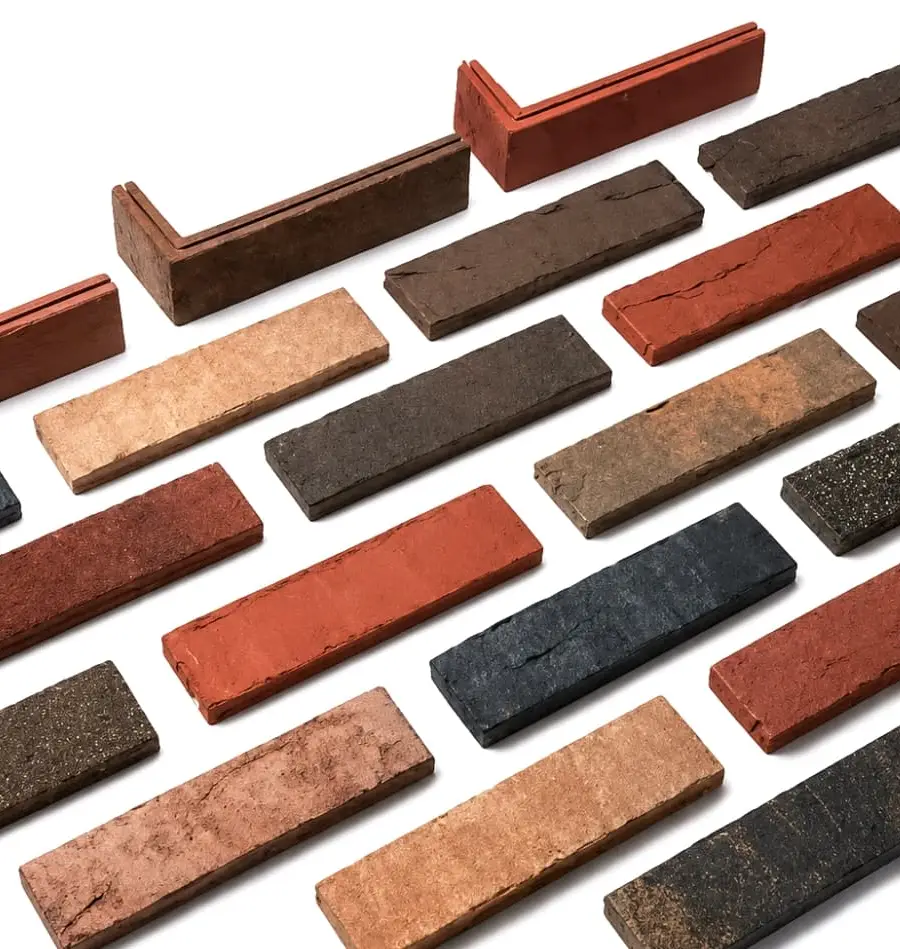
Four colouring techniques: through-body pigment, engobe, texturing and flash firing. Engobes come from Grothe (Germany) and Colorobbia (Italy).
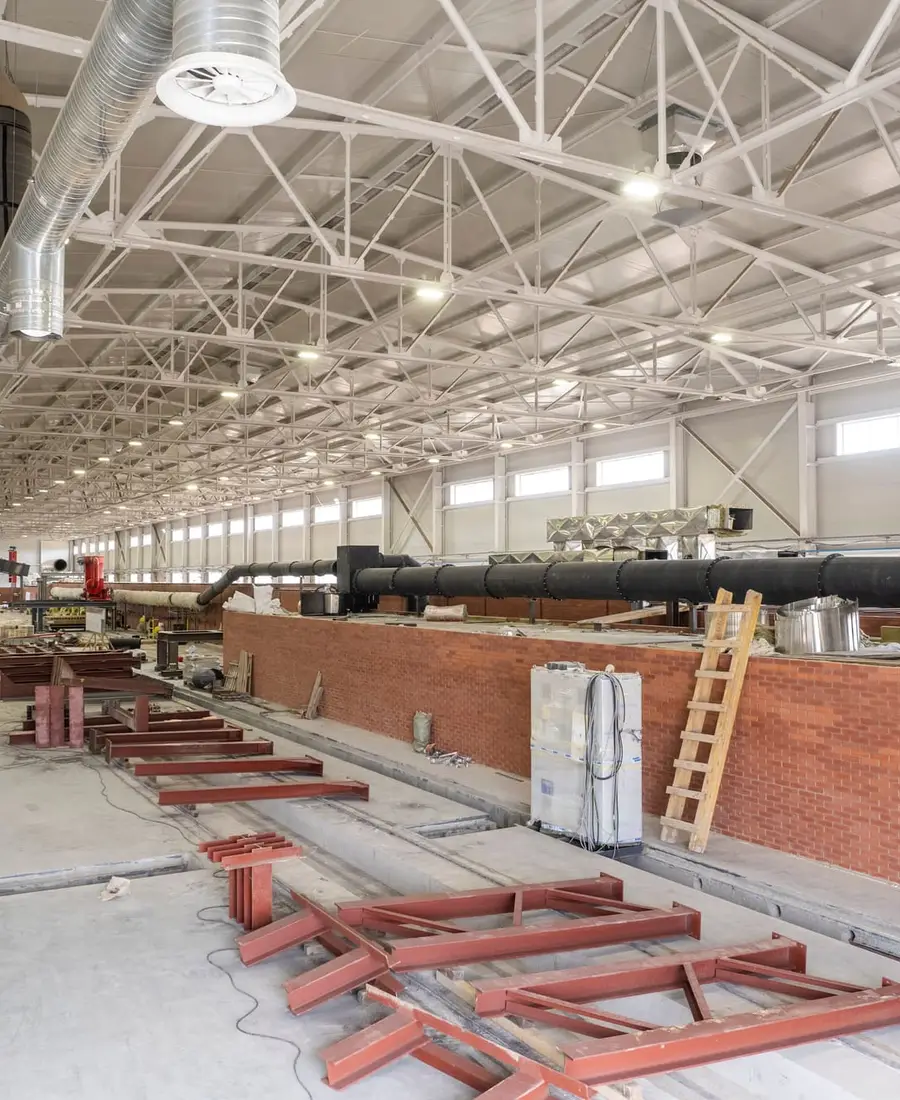
SABO (Greece), SMAC (Italy), Keller (Germany), Plinfa (Ukraine).
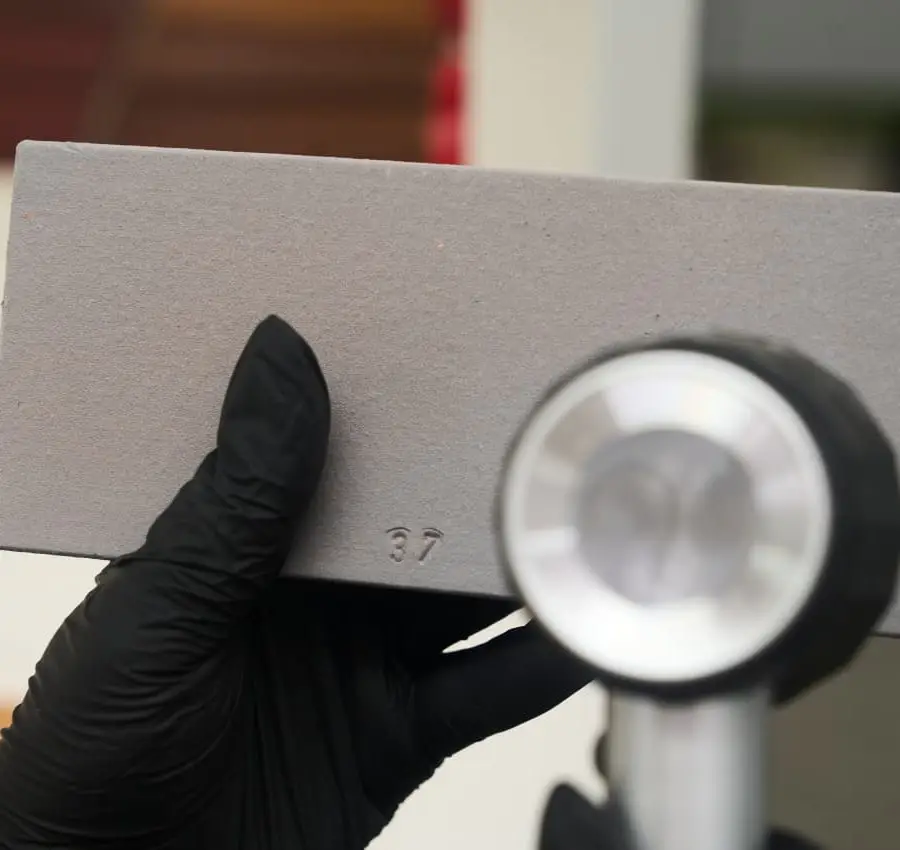
The QAZCLINKER laboratory stays beside the tile at every step: it checks the raw material, develops palettes and tests finished samples for strength, water absorption, frost resistance, geometry and colour stability. Meet the laboratory
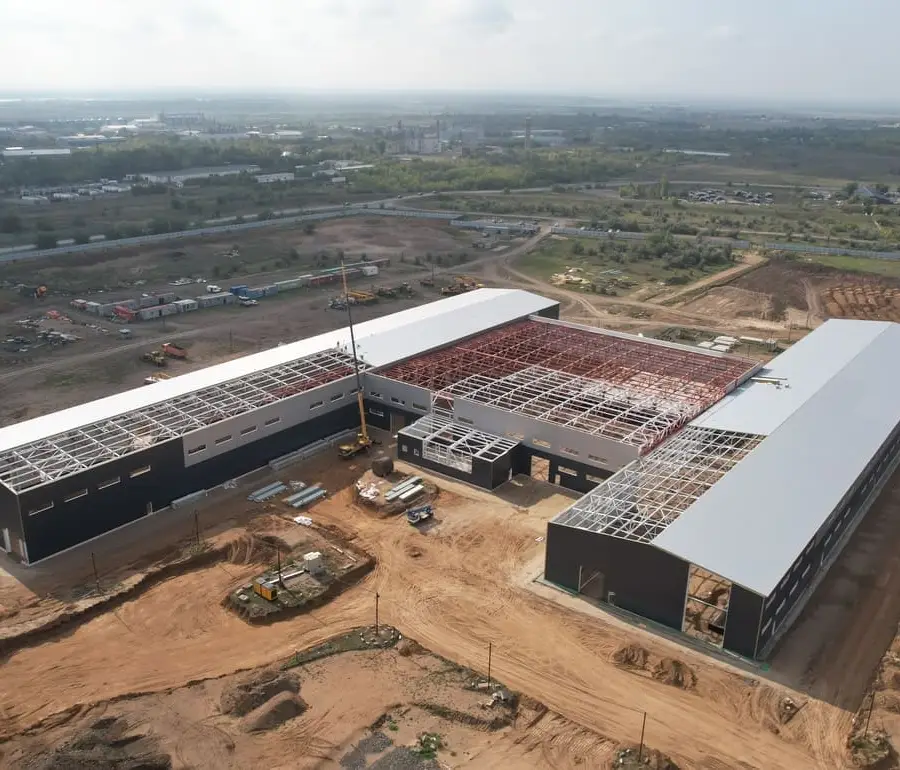
The last step of the process: finished tile is packed for shipment. The plant has three blocks, and together they carry the product from raw-material preparation to packing. The laboratory checks every batch, and deliveries run in batches to match the stages of your facade, to Astana and across Kazakhstan. How many tiles go in a box, how tile is sorted and how a pallet is built will be published with the first series on 10 April 2027: the line is still being installed, and quoting figures earlier would be guessing.
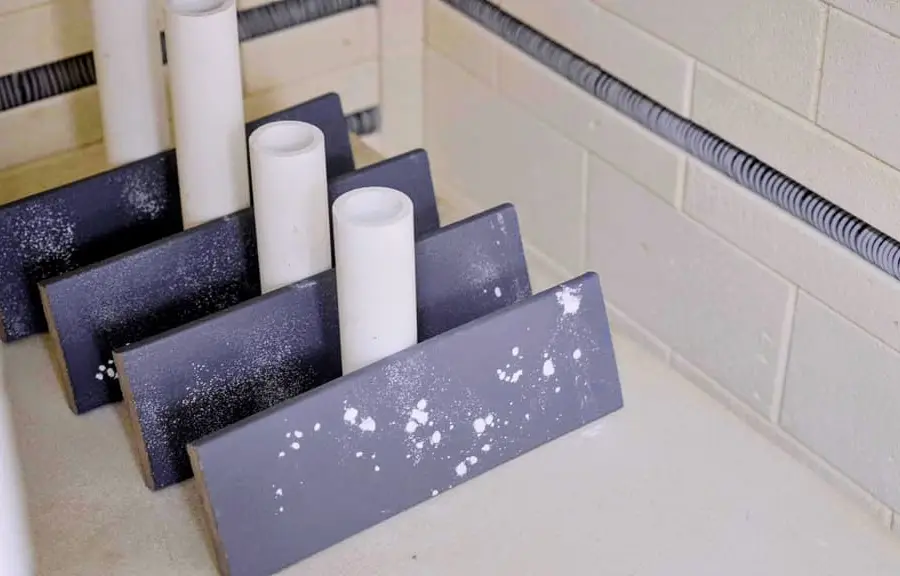
Every batch will carry a number, every tile a mark, and every box and pallet a label. This is where the decoding of those marks and the way to get a batch's documents by its number will appear. That content waits for the first series: until the line has produced tile, we do not show sample labels or codes, so nobody is misled. Open documents can already be found in Documents; the documents of a specific delivery go to the customer of that delivery.
The tile is made to GOST 13996-2019.
| Property | QAZCLINKER 2026 | QAZCLINKER 2027 | GOST 13996-2019 |
|---|---|---|---|
| Water absorption | up to 3% | up to 3% | up to 6% |
| Frost resistance | 200 cycles | up to 300 cycles | 100 cycles |
| Bending strength | 26 MPa | at least 28 MPa | 20 MPa |
| Breaking load | 1300 N | at least 1300 N | 950 N |
| Fire safety | NG (non-combustible) | NG (non-combustible) | NG (non-combustible) |
2026 samples are from the laboratory, 2027 values are the goal for serial production. QAZCLINKER catalog, GOST 13996-2019.